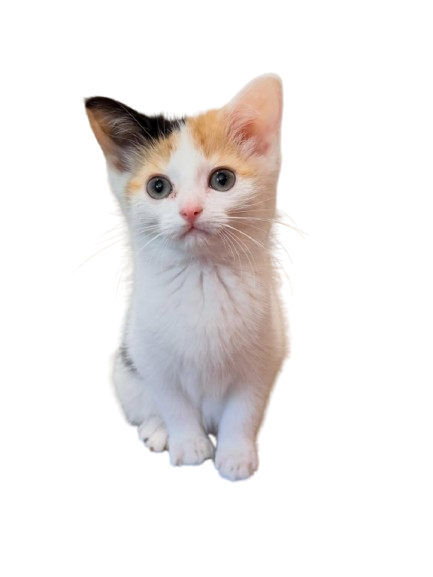

With their captivating mosaic of warm embers, deep blacks, and soft creams, tortoiseshell cats stand out as some of the most striking felines in the companion animal world. Often affectionately referred to as "torties," these cats are celebrated not only for their intricate coats but also for their vivid personalities, fierce loyalty, and spirited charm. If you have ever met a tortoiseshell cat, you have likely heard rumors of their notorious "tortitude"—a unique mix of independence, playful feistiness, and deep devotion to their human family.
Understanding tortoiseshell cat coat pattern traits and temperament requires delving into feline genetics, behavioral science, and proper socialization practices. Whether you are considering welcoming a home-raised tortie kitten into your family or adopting a gentle adult rescue like Karma, this complete guide covers everything you need to know about these legendary patterned companions.
What Is a Tortoiseshell Cat? Pattern vs. Breed
Before examining genetics and personality, it is vital to clear up a common misconception: tortoiseshell is a coat pattern, not a cat breed. A tortoiseshell coat can appear across many different feline breeds, as well as in mixed-breed domestic cats (Domestic Shorthair, Domestic Mediumhair, and Domestic Longhair).
The signature tortoiseshell pattern combines two main colors: black (or its diluted variations like grey, blue, or chocolate) and red (or its diluted variations like cream, ginger, or orange). These colors blend together in mottled, flecked, or patched designs that resemble the shell of a sea turtle, giving the pattern its iconic name.
Popular Breeds That Display the Tortoiseshell Pattern
- Domestic Shorthair & Longhair: The most common torties found in rescues and adoption nurseries nationwide.
- Maine Coon: Known for long, luxurious tortoiseshell coats combined with gentle giant temperaments.
- Persian: Features dense, plush tortie coats paired with sweet, calm personalities.
- British Shorthair: Shows dense, velvety tortie patterns with rounded, robust physiques.
- Cornish Rex & Devon Rex: Highlights unique curly tortie fur with playful, energetic personalities.
The Fascinating Genetics Behind Tortoiseshell Coat Patterns
The creation of a tortoiseshell coat is one of nature's most amazing genetic accomplishments. The coat pattern is almost exclusively tied to the biological sex of the cat due to the arrangement of feline sex chromosomes.
The Role of the X Chromosome
In cats, the gene responsible for orange fur (represented as O) is located exclusively on the X chromosome. Non-orange fur (black, brown, or dark pigment) is governed by a different gene mechanism.
- Female cats have two X chromosomes (XX). This means a female cat can carry both the gene for orange fur on one X chromosome and the gene for black fur on the other X chromosome.
- Male cats have one X and one Y chromosome (XY). Therefore, a male cat typically receives either the orange gene or the black gene, resulting in a solid or tabby coat, but not a dual-color tortoiseshell pattern.
X-Inactivation (Lyonization)
During early embryonic development in female cats, a process called X-inactivation (or Lyonization) occurs. In every individual cell, one of the two X chromosomes is randomly deactivated. As the embryo grows, the active X chromosome in each group of skin cells determines whether that patch of fur will produce orange pigment (phaeomelanin) or black pigment (eumelanin). This random cellular choice creates the one-of-a-kind mosaic pattern unique to every single tortoiseshell cat.
Why 99.9% of Tortoiseshell Cats Are Female
Because two X chromosomes are required to express both black and orange fur simultaneously without a white spotting modifier, approximately 99.9% of all tortoiseshell cats are female. Statistically, only about 1 in 3,000 tortoiseshell cats is male.
When a male tortoiseshell cat is born, it is almost always the result of a rare genetic variation known as Klinefelter syndrome (where the cat inherits an extra X chromosome, resulting in an XXY genetic makeup). Male tortoiseshell cats are typically sterile and may require specialized veterinary monitoring, though they live full, happy lives with attentive care.
Variations of the Tortoiseshell Coat Pattern
Not all tortoiseshell coats look the same. Depending on underlying genetic modifiers, torties display several distinct visual styles:
| Coat Variation | Visual Characteristics | Color Description |
|---|---|---|
| Classic Tortoiseshell | Intertwined, fine speckling or dense patching without white fur. | Deep black, charcoal, dark brown mixed with rich orange and red tones. |
| Dilute Tortoiseshell | Softer, muted pastel shades resulting from the dilute gene. | Soft slate grey (blue) blended with warm cream or pastel peach tones. |
| Torbie (Tortie-Tabby) | Tortoiseshell coloring combined with classic striped tabby markings. | Swirls or stripes visible within the orange and black patterned patches. |
| Chocolate/Cinnamon Tortie | Warm brown base coats paired with delicate ginger patches. | Rich chocolate or warm cinnamon paired with light reddish-gold highlights. |
Tortoiseshell vs. Calico: What Is the Difference?
While people frequently confuse tortoiseshell and calico cats, the genetic distinction comes down to the presence of the piebald (white spotting) gene:
- Tortoiseshell Cats: Have virtually no white fur. Colors are closely woven, mottled, or blended together. If tiny flecks of white appear, they cover less than 10% of the body.
- Calico Cats: Carry a strong white spotting gene that produces distinct, large patches of black, orange, and solid white. Their colors are separated into defined blocks rather than mottled together.
Tortoiseshell Cat Temperament: Decoding "Tortitude"
If you speak to cat lovers, rescuers, or veterinary professionals, you will quickly encounter the term "tortitude." This colloquial word describes the distinct behavioral profile attributed to tortoiseshell cats. But what is fact, and what is fiction when it comes to tortie traits and temperament?
Common Behavioral Traits Associated with Torties
- Fierce Loyalty: Torties often bond deeply with one primary human family member, forming an enduring, unconditional friendship.
- Vocal Expressiveness: Torties are renowned for using chirps, trills, and meows to communicate their opinions, hunger, or desire for affection.
- High Intelligence & Curiosity: These cats excel at puzzle toys, interactive hunting games, and exploring elevated spaces in the home.
- Confident Independence: Torties possess a strong sense of self. They love attention on their terms and readily express their boundaries.
- Playful Energy: Many torties retain a lively, kitten-like play drive well into their adult and senior years.
What Does Veterinary Science Say?
Scientific studies on coat color and behavior present nuanced conclusions. A well-known survey conducted by researchers at the University of California, Davis, examined feline coat color patterns and owner-reported behaviors. The study found that cats with tortoiseshell, calico, and torbie patterns were somewhat more likely to display feistiness or vocal resistance during vet visits or handling compared to solid-colored cats.
However, veterinary behaviorists emphasize that genetics behind coat color play only a minor role in overall personality. A cat's temperament is overwhelmingly shaped by:
- Early Socialization: Experiencing gentle, positive human touch, everyday household noises, and safe exposure to other pets during the critical developmental window (2 to 7 weeks of age).
- Environmental Enrichment: Having access to scratching posts, perches, quiet resting spots, and predictable daily routines.
- Individual Personality: Just like humans, every cat is an individual with unique innate preferences and boundaries.
The Power of Home-Nursery Socialization
Whether raised directly underfoot in an active home-nursery environment or gently rehabilitated in a loving rescue home, well-socialized torties develop into confident, affectionate companions. For example, rescued adult torties like Karma demonstrate that when provided with reassurance, patience, and clear boundaries, a tortie's infamous "attitude" manifests as pure devotion, warmth, and entertaining charm.
Care, Health, and Grooming Requirements for Tortoiseshell Cats
Caring for a tortoiseshell cat involves understanding their physical and emotional requirements. Because tortoiseshell is a pattern found across many breeds, care routines depend largely on coat length and individual health needs.
1. Grooming Needs
- Shorthair Torties: Require weekly brushing with a soft slicker brush or rubber grooming mitt to remove loose fur and distribute skin oils.
- Longhair Torties (e.g., Maine Coon or Persian mixes): Require daily brushing with a stainless steel comb to prevent mats and tangles, particularly around the belly, hind legs, and behind the ears.
- Shedding Care: Regular grooming reduces hairballs and keeps the brilliant contrast of their coat pattern looking glossy and healthy.
2. Nutrition and Exercise
Torties thrive on high-protein, moisture-rich feline diets tailored to their age, weight, and activity levels. Because tortoiseshell cats are naturally spirited and clever, daily interactive play sessions (using feather wands, laser toys, or treat-dispensing puzzles) are crucial to keep their minds engaged and maintain a healthy weight.
3. Health and Lifespan
The tortoiseshell coat pattern itself does not carry intrinsic genetic health risks (with the rare exception of sterile XXY males). Generally, tortoiseshell cats enjoy long, robust lives, with average lifespans ranging from 14 to 20 years when kept indoors with routine veterinary care.
Standard preventive care includes:
- Annual veterinary examinations and routine vaccinations.
- Consistent dental care and professional cleanings.
- Core parasite prevention.
- Routine bloodwork for mature and senior cats.
Adopting a Tortoiseshell Cat: Finding Your Perfect Companion
If you are captivated by the beauty and charismatic personality of tortoiseshell cats, adopting one into your home is an exceptionally rewarding decision.
Why Consider an Adult Rescue or Home-Raised Tortie?
While prospective pet parents often look for young kittens, adopting an adult tortoiseshell cat like Karma offers distinct advantages:
- Established Personality: An adult cat's temperament is fully developed, allowing you to know immediately if their energy level suits your lifestyle.
- Deep Gratitude: Rescued adult cats frequently form deep, immediate emotional bonds with adopters who provide safety and comfort.
- Ease of Transition: Adult cats are typically litter-trained, understand house rules, and adjust quickly to working professionals, apartment dwellers, or family routines.
For those seeking kittens, selecting a home-nursery breeder who prioritizes underfoot family socialization ensures your tortie kitten arrives confident, well-adjusted, and ready to thrive alongside children or existing pets.
Frequently Asked Questions About Tortoiseshell Cats
What is the difference between a Calico and a Tortoiseshell cat?
The primary difference is the presence of white fur. Tortoiseshell cats have mottled black and red/orange coats with little to no white fur. Calico cats carry the piebald gene, resulting in distinct patches of black, orange, and bright white.
Are all tortoiseshell cats female?
Approximately 99.9% of tortoiseshell cats are female because the orange/non-orange color gene is carried on the X chromosome. A female cat requires two X chromosomes to show both colors. Male tortoiseshell cats are extremely rare (about 1 in 3,000) and carry an extra X chromosome (XXY).
Do tortoiseshell cats really have a unique temperament ("tortitude")?
While many tortie owners report that their cats are vocal, energetic, loyal, and sassy, scientific evidence shows coat color has minimal impact on temperament. Early socialization, positive handling, home environment, and individual genetics play far larger roles in shaping a cat's behavior.
What breeds can have a tortoiseshell coat pattern?
The tortoiseshell pattern appears in many breeds, including the Domestic Shorthair, Maine Coon, Persian, British Shorthair, American Shorthair, Cornish Rex, and Ragdoll (specifically tortie point variations).
How long do tortoiseshell cats live?
When kept indoors, provided with balanced nutrition, and given routine veterinary care, tortoiseshell cats live an average of 14 to 20 years.
Final Thoughts: Embracing the Magic of the Tortie
The tortoiseshell cat coat pattern traits and temperament make these felines truly unique in the animal kingdom. From their intricate genetic origin on the X chromosome to their devoted, expressive, and playful personalities, torties bring endless warmth and joy to every home they join. Whether you are welcoming a thoroughly socialized kitten or opening your heart to a rescued companion cat, a tortoiseshell cat will undoubtedly reward your affection with a lifetime of unwavering loyalty and vibrant companionship.