
Ragdoll Kitten Feeding Guide & Growth: Royal Nutrition for a Gentle Giant
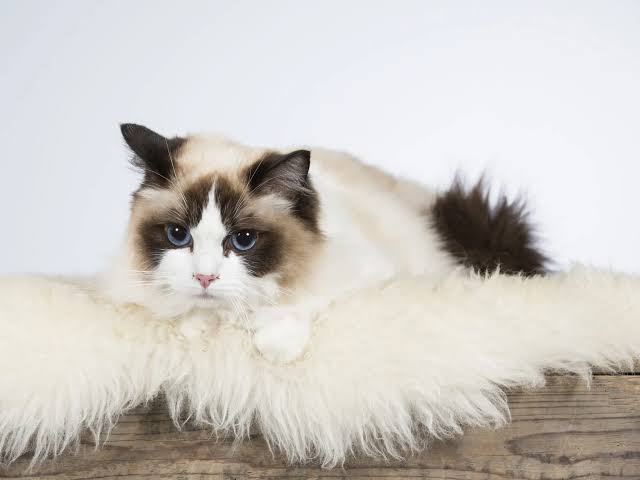
Welcome to the ultimate ragdoll kitten feeding guide, designed to help you navigate the unique nutritional milestones required for these gentle giants. Ragdoll cats are famous for their plush coats, striking blue eyes, and famously puppy-like, affectionate personalities. However, because Ragdolls are one of the largest domesticated cat breeds, their developmental journey is quite unique. Unlike standard domestic cats that reach full physical maturity around 12 months, Ragdolls grow slowly and take up to three to four years to reach their full size and coat density.
Providing proper nutrition during their initial kittenhood months lays the groundwork for sturdy bone structure, healthy joints, and a rich, silk-like coat.
Ragdoll Kitten Feeding Guide: Understanding the Unique Growth Curve
A newborn Ragdoll kitten starts out completely white, with their color points and distinct markings developing gradually over their first few weeks. Because they grow so much frame and muscle over an extended period, their growth often happens in sudden spurts.
Key Physical Milestones
0 to 8 Weeks: Rapid early growth while nursing; weaning begins around week 4 or 5.
2 to 6 Months: The initial frame expansion. High caloric needs are essential as they build bone density.
6 to 12 Months: Slow, steady weight gain. Males often weigh between 10 to 15 lbs by year one, while females weigh 8 to 12 lbs.
1 to 4 Years: Final filling-out period where muscle tone matures and the full adult coat and ruff finish developing.
Daily Caloric and Nutritional Requirements
Because Ragdolls develop over years rather than months, restricting calories too early can hinder their physical development.
1. High-Protein, Animal-Based Diet
Obligate carnivores require animal protein as their primary fuel source. Look for kitten formulas where real meat (such as chicken, turkey, or salmon) is listed as the very first ingredient. Avoid heavy grain fillers or soy additives.
2. Essential Healthy Fats
Omega-3 and Omega-6 fatty acids (like salmon oil or chicken fat) are crucial for supporting cognitive development in young kittens while keeping their dense double-coat shiny and tangle-free.
3. Calcium to Phosphorus Ratio
Because Ragdolls develop heavy bones, balanced minerals are critical. Commercial kitten foods specifically formulated for growth ensure the proper ratio of calcium and phosphorus so their joints develop correctly.
Wet Food vs. Dry Kibble: Finding the Right Balance
A hybrid diet combining both wet canned food and high-quality dry kibble is generally recommended for your growing kitten. For more tips on early animal care environments, check out our Socialized Kitten Breeds Guide.
Following a proper ragdoll kitten feeding guide ensures they get the right balance of moisture and nutrients.
| Diet Type | Major Benefits | Best Practice |
| Wet Canned Food | High moisture content prevents urinary tract issues; closer to natural prey diet texture. | Feed 2 to 3 times daily as measured meals. |
| Dry Kibble | Convenient for free-feeding during sudden growth spurts; helps clean teeth. | Leave a small bowl of growth-formula kibble out for grazing. |
Recommended Feeding Schedule by Age
To avoid stomach upsets, keep your feeding times predictable and transition between any new foods gradually over 7 to 10 days.
2 to 4 Months Old: 3 to 4 wet food meals daily, plus free-choice dry kibble.
4 to 6 Months Old: 3 wet food meals daily, plus free-choice dry kibble.
6 to 12 Months Old: 2 to 3 wet food meals daily; monitor weight to adjust kibble portions if needed.
12+ Months: Transition slowly to adult high-protein formulas tailored for large breeds.
Hydration and Hydration Tips
Ragdolls, like many indoor cats, do not naturally have a strong thirst drive. Keeping them well-hydrated prevents renal issues down the line:
Use Stainless Steel Fountains: Cats prefer moving water. Fountains encourage higher water intake.
Add Bone Broth: Mix a splash of warm, salt-free cat bone broth into their wet food.
Separate Water from Food: Place water bowls a few feet away from their feeding station, as cats instinctively prefer clean water away from food sources.
When to Consult Your Veterinarian
Track your Ragdoll kitten’s weight weekly on a digital scale. Steady weight gain indicates good health. If you notice sudden weight loss, continuous lethargy, or digestive upset lasting more than 24 hours, contact your vet immediately to ensure your kitten stays on a healthy growth trajectory.
Always consult a professional or a trusted ragdoll kitten feeding guide if you have questions about sudden weight changes.