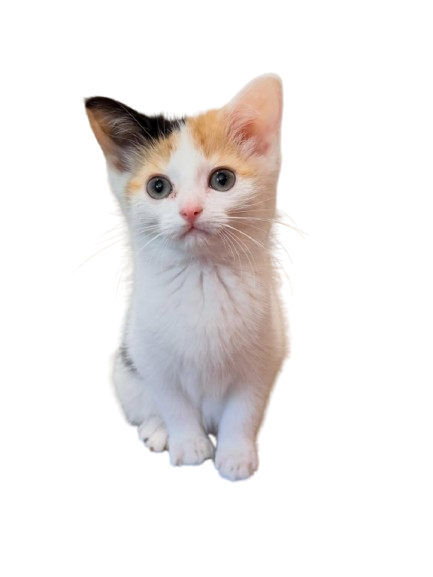

With their plush slate-grey coats, striking white patches, and expressive eyes, blue bicolor shorthair kittens captivate cat lovers instantly. Beyond their picture-perfect appearance, these stunning kittens are widely admired for their remarkably gentle, balanced, and endearing personalities. If you are considering welcoming a blue bicolor shorthair kitten into your home, understanding their behavioral traits, social needs, and developmental patterns is the best way to ensure a seamless transition and a lifetime of companionship.
This comprehensive blue bicolor shorthair kitten temperament guide explores everything you need to know about these wonderful companions. From their easygoing nature around busy households to their quiet loyalty, you will discover why this coat pattern paired with a shorthair disposition makes for one of the most beloved feline pets available today.
What Is a Blue Bicolor Shorthair Kitten?
Before diving into personality, it is helpful to clarify what defines a blue bicolor shorthair. “Blue” in feline genetics refers to a dilute black coat, presenting as a beautiful shade of cool slate, grey, or soft silver. “Bicolor” means this blue coat is paired with clean white markings, often across the face, chest, paws, and underbelly. The white patches create striking contrast, frequently forming a characteristic white “V” on the face or white “mitten” paws.
This distinct coloration is celebrated across several shorthair breeds, most prominently the British Shorthair, American Shorthair, and Exotic Shorthair, as well as domestic shorthair kittens raised in dedicated home environments. While coat color itself is purely genetic, the underlying breed lineage and home-nursery raising play a foundational role in shaping their signature calm demeanor.
Core Temperament Traits of Blue Bicolor Shorthair Kittens
While every kitten possesses an individual personality, blue bicolor shorthairs share several endearing character traits that render them fantastic companions for families, working professionals, and apartment dwellers alike.
1. Calm, Patient, and Unflappable Disposition
One of the most notable characteristics of the blue bicolor shorthair is an even-tempered nature. Unlike high-energy, demanding breeds that may bounce off the walls, blue bicolor shorthairs tend to approach life with thoughtful serenity. They are rarely easily startled by household activity, making them exceptionally stable companions.
2. Affectionate Without Being Needy
Blue bicolor shorthair kittens are deeply loving and form strong, lasting bonds with their human family members. However, they express their affection in a balanced, respectful manner. They love being in the same room as you, curled up on the sofa or watching you work from a nearby chair, rather than constantly demanding attention or climbing your legs. They offer warm companionship without clinginess.
3. Playful Curiosity with a Cool Head
During kittenhood, blue bicolor shorthairs display a delightful mix of playful curiosity and composure. They love chasing feather wands, batting around pounce mice, and exploring new rooms. Yet, after a satisfying session of play, they are quick to settle down for a cozy nap. Their play style is generally gentle, focused, and amusing rather than chaotic.
4. Soft-Spoken and Quiet Communicators
If you prefer a quiet, tranquil home environment, a blue bicolor shorthair is an ideal fit. These kittens are notoriously soft-spoken. Instead of loud meows, they typically communicate through soft trills, gentle chirps, and enthusiastic purrs when greeted. They let their body language—a relaxed posture, a softly curved tail, and slow blinks—do most of the talking.
Genetics vs. Environment: What Shapes Their Personality?
A common question prospective adopters ask is whether a kitten’s coat color dictates its behavior. Scientifically, coat color genetics do not direct neurological temperament. However, the physical and psychological development of a blue bicolor shorthair kitten is strongly influenced by two primary factors: inherited genetic lines and early environmental socialization.
The Role of Home-Nursery Socialization
A kitten’s early weeks of life are crucial in determining how confident, affectionate, and resilient they will grow up to be. Kittens raised directly underfoot in an active home nursery—where they hear household sounds like vacuums and televisions, receive daily human touch, and interact with family members—develop a strong foundation of emotional trust.
When a blue bicolor shorthair kitten receives early handling, positive reinforcement, and clear health routines from birth, their natural calm disposition is fully unlocked. They transition into new environments with minimal anxiety, readily embracing new family members, routines, and experiences.
Household Compatibility: Who Is the Ideal Match?
Thanks to their adaptable and polite nature, blue bicolor shorthair kittens fit seamlessly into a wide variety of living situations. Let us look at how they thrive in different home settings.
Families with Children
Blue bicolor shorthair kittens are famous for their patience and tolerant behavior. They generally tolerate the bustling energy of a family home better than more high-strung breeds. When children are taught gentle handling techniques, these kittens become loving childhood sidekicks who enjoy participating in family activities.
Homes with Existing Dogs or Cats
Because they are confident and rarely prone to extreme fear or defensive aggression, blue bicolor shorthairs respond well to gradual, positive introductions with existing pets. They often bond happily with cat-friendly dogs and enjoy having another feline friend around for companionship when the family is out.
Apartment Living and Working Professionals
With their moderate energy levels and compact, manageable grooming needs, blue bicolor shorthairs are ideal for apartments and condominiums. Furthermore, because they possess an independent streak, working professionals can feel confident knowing that their kitten can comfortably relax during working hours, provided they have enrichment toys and a welcoming, cozy environment.
Developmental Stages: What to Expect as They Grow
Understanding the developmental timeline of your blue bicolor shorthair kitten helps you support their emotional and behavioral growth at every stage.
8 to 16 Weeks: Curious Discovery and Social Bonding
During this early window, your kitten is a bundle of soft fur, curiosity, and rapid learning. They learn boundaries, litter box habits, and scratching post etiquette. Social bonding is at its peak; regular cuddling, gentle handling of their paws, and positive playtime build a deep sense of security.
4 to 9 Months: Adolescent Exploration
As your kitten enters adolescence, their physical coordination sharpens. You will notice increased athletic ability, high curiosity about high perches, and longer play sessions. Maintaining routine play sessions and encouraging positive behavior with treats will reinforce their balanced demeanor.
10 to 24 Months: Maturing into a Serene Adult
Shorthair breeds—particularly sturdy strains like the British Shorthair—mature slowly, both physically and psychologically. Between one and two years of age, their playful kitten energy transitions smoothly into the serene, sweet, and majestic adulthood for which the blue bicolor shorthair is world-renowned.
How to Nurture a Happy, Confident Temperament
To ensure your blue bicolor shorthair kitten develops into a confident, loving adult cat, consider implementing these essential care and socialization strategies in your daily routine:
- Provide Interactive Play Daily: Engage your kitten in two to three short 10-minute play sessions each day using wand toys or interactive puzzles to keep their mind sharp and body active.
- Establish Safe Elevated Perches: Shorthairs love observing their territory from a cozy height. Provide sturdy cat trees, window perches, or scratching posts near living spaces.
- Practice Gentle Handling Practices: Regularly touch your kitten’s paws, ears, and belly during warm cuddle sessions. This desensitizes them to future nail trims, health checks, and grooming sessions.
- Maintain Predictable Routines: Cats thrive on structure. Keeping consistent feeding times, play schedules, and bedtime routines fosters a deep sense of environmental security.
- Use Positive Reinforcement: Always reward desired behaviors—such as using the scratching post or coming when called—with warm praise, gentle head scratches, or high-value treats. Never use physical punishment or harsh voices.
Frequently Asked Questions
Are blue bicolor shorthair kittens lap cats?
Many blue bicolor shorthair kittens grow up to be affectionate lap cats or devoted companions who love lounging right beside you. While individual preferences vary, their patient and mellow nature makes them exceptionally loving household pets.
Do blue bicolor shorthairs get along with dogs and children?
Yes, blue bicolor shorthairs are famous for their steady, confident disposition. When socialized properly from an early age, they adapt remarkably well to gentle children, cat-friendly dogs, and active family environments.
How vocal are blue bicolor shorthair kittens?
They are generally soft-spoken and quiet. Instead of loud or demanding meows, blue bicolor shorthair kittens usually communicate through gentle chirps, soft trills, and subtle body language.
Does coat color affect a kitten’s temperament?
Coat color itself is a genetic trait that does not determine personality. However, the genetic lines and breeding history of shorthair breeds displaying blue bicolor patterns—such as British Shorthairs or Exotic Shorthairs—often carry stable, easygoing, and friendly temperaments.
Conclusion: Bringing Home Your Blue Bicolor Companion
The blue bicolor shorthair kitten offers the total package: breathtaking physical elegance combined with a sweet, balanced, and remarkably calm temperament. Whether you live in a bustling family house or a quiet city apartment, these beautiful kittens bring warmth, joyful entertainment, and steadfast companionship to every home they enter.
At Kitten Find, we believe every kitten deserves a foundation built on love, verified veterinary health care, and comprehensive underfoot family socialization. By raising our kittens directly in a nurture-focused home environment, we ensure that every prospective adopter receives a confident, healthy, and happy companion ready to brighten their home for years to come.