
The Definitive Guide to Cat Coat Patterns
When families visit our family home to meet our new litters, the single most exciting moment is watching them marvel at the sheer variety of fur designs. Every single litter we raise underfoot brings its own beautiful genetic surprises, leaving people entirely fascinated by how drastically distinct two siblings can look. In our years of hands-on breeding experience, we have found that watching these colors and markings develop from birth is one of the most rewarding parts of our lives.
If you are trying to identify your favorite feline aesthetic or want to understand the unique genetics behind your companion’s markings, this comprehensive guide to cat coat patterns will give you everything you need to decode their look. From traditional striped designs to rare, temperature-sensitive color mutations, let’s explore the beautiful science behind these magnificent feline layouts.
🐯 1. The Classic Tabby: Nature's Original Design
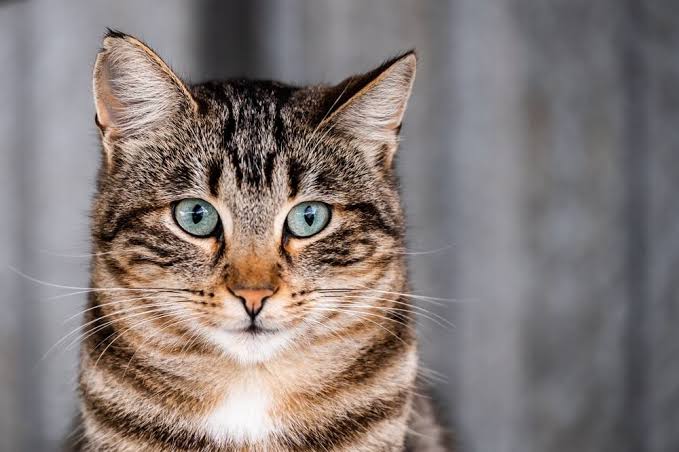
Many new owners are surprised to learn that “tabby” is not a specific breed of cat; it is simply the foundational design across many cat coat patterns found throughout history. All true tabbies share a wonderful genetic stamp: a distinct, penciled letter “M” marking clearly visible on their foreheads between their ears. In our home, we love watching these sharp lines become more prominent as our kittens grow past their first few weeks of life.
The way those stripes express themselves across the body splits tabbies into four magnificent sub-categories:
Classic Tabby: Features bold, swirling circular patterns along their sides—often looking like a target or a beautiful piece of marble cake.
Mackerel Tabby: Features narrow, parallel vertical stripes running down their body, closely resembling a fish skeleton. These are incredibly sharp and striking.
Spotted Tabby: The stripes break up into distinct, beautiful spots across the torso, similar to a miniature wild leopard running around your living room.
Ticked Tabby: This unique variation has almost no body stripes at all. Instead, individual hairs have alternating bands of dark and light pigmentation, giving the coat a shimmering look.
🍂 2. Tortoiseshells and Calicos: Chromosome Wonders
In our family home, we are always uniquely captivated by the complex genetics of tortoiseshell and calico kittens. These specific designs are a crucial highlight in our guide to cat coat patterns because they are almost exclusively female. The coat colors are carried directly on the X chromosome, meaning a male would require a rare genetic anomaly to display them.
The Tortoiseshell (Tortie)
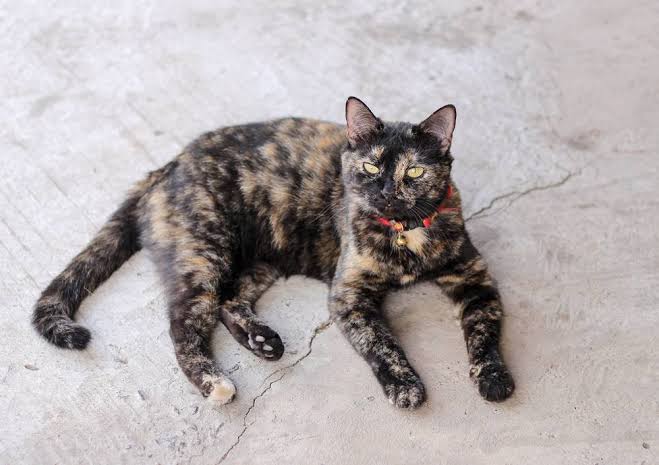
A true tortoiseshell fuses rich black and warm orange together in a tightly mottled, speckled design across the entire body. Because there is no white in their coat, they often look beautifully dark, deep, and multi-dimensional. Many owners swear that torties possess a distinct, spunky attitude affectionately known as “tortitude,” which we see display early on during playtime!
The Calico (Tricolor)
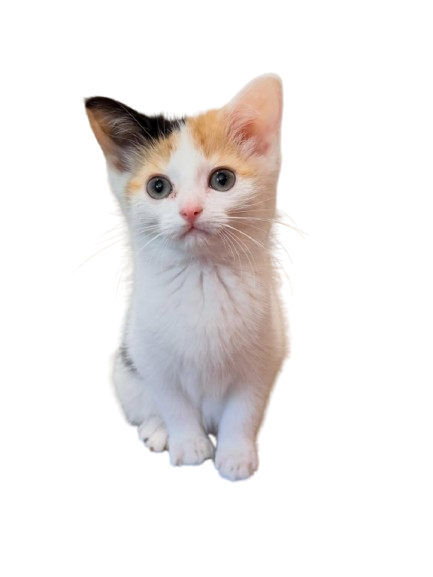
Families often confuse calicos with tortoiseshells, but they are genetically distinct. A calico features large, solid patches of vibrant orange and deep black set against a clean, snow-white base. If the colors are softened into pastel gray and peach on a white background, it is known as a beautiful “dilute calico,” which is always a crowd favorite.
To explore how these chromosomes pass down color traits in deeper scientific detail, you can check out the comprehensive breakdown of Cat Coat Genetics on Wikipedia to see full inheritance mapping charts.
🍦 3. Rare Pastel Mutations: The Cream Tabby Look
For families searching for an uncommon aesthetic, pastel mutations are highly sought after by adopters. Among the rarest variations we see in home-raised litters are dilute colors like blue-gray or a stunning, delicate cream.
The Dilute Gene: A cream tabby occurs when a specific recessive dilute gene physically softens the traditional vibrant orange pigment into a soft, buff-cream shade.
Subtle Markings: Because the color is so soft, these delicate markings are an elegant addition to our guide to cat coat patterns. They often look like pure velvet, with warm, ghostly sand-colored stripes visible primarily when they bask in direct sunlight.
🧦 4. Bi-Color and Solid Styles: From Tuxedos to Vans
Bi-color cats have a base coat color mixed with varying amounts of white patches. This is caused by the white spotting gene, which prevents color from reaching parts of the coat while the kitten develops in the womb.
The Tuxedo: This classic look features a sleek black body with white paws, a white belly, and a white chest, making the kitten look permanently dressed for a formal event.
The Van Pattern: A dramatic layout where the cat’s body is almost entirely white, with color patches restricted strictly to the head, ears, and tail.
Solid Coats: True solids carry a gene that suppresses all tabby markings. However, if you look closely at a solid black or solid red kitten in bright sunlight, you can sometimes catch a glimpse of hidden stripes left over from their ancestors.
🎭 5. The Pointed Pattern: Temperature-Sensitive Magic
Perhaps the most fascinating genetic marvel we see is the colorpoint pattern, famously associated with Siamese and Himalayan heritages. Pointed styles add an amazing layer to our guide to cat coat patterns because they are completely temperature-sensitive.
The enzyme that produces fur pigment doesn’t work at normal body temperatures, but becomes active in cooler areas. This is why their bodies stay a light cream color, while their cooler extremities the ears, nose, paws, and tail develop deep, rich shades like seal brown, blue, or lilac over their first few months of life.
🏡 Find Your Perfect Companion
Every single coat variation brings its own unique charm, history, and beauty to a household. On our Home Page, we showcase our deep commitment to breeding healthy, beautifully structured felines from lineage lines we trust completely. We appreciate the incredible genetic art behind all variations, ensuring every single kitten we raise grows up healthy, confident, and beautiful.
Want to see these magnificent coat variations in action? Take a look at our Available Kittens Page to view the unique litters currently growing up underfoot in our home!