

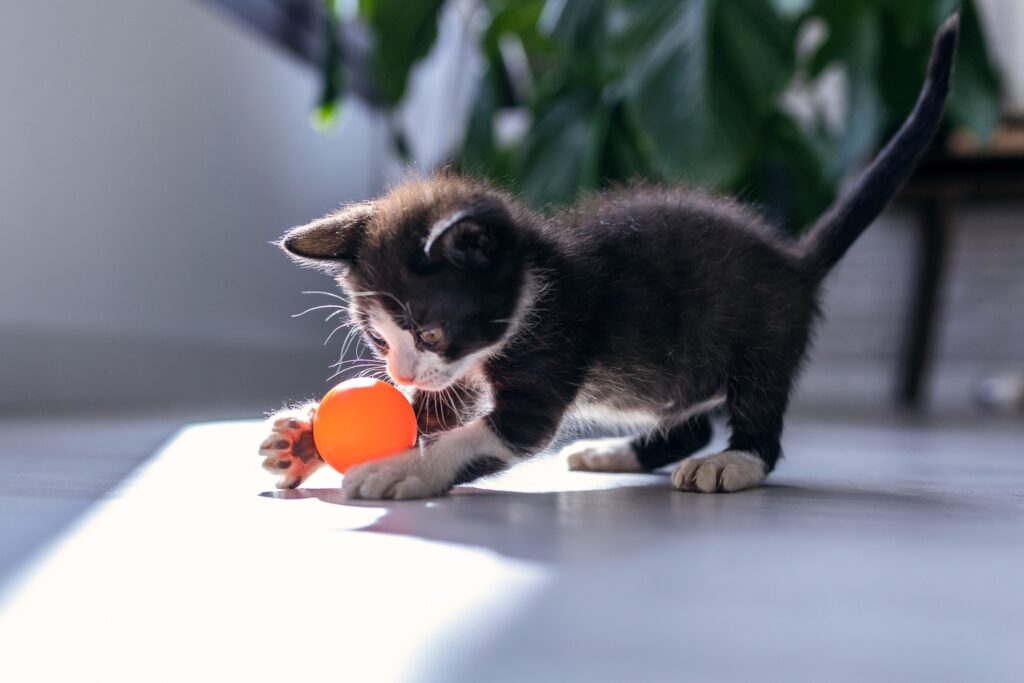
Feline behavioral science confirms that a kitten’s earliest weeks determine their lifetime relationship with humans, novel environments, and domestic experiences. The feline socialization window occurs exceptionally early—between 2 and 9 weeks of age. During this sensitive neurological stage, kittens process environmental stimulus, form social bonds, and establish emotional resilience mechanisms.
At Kitten Find, our commitment to raising home-raised companion kittens directly underfoot harnesses these developmental windows to ensure every pet grows into an affectionate, confident adult cat.
The Biological Socialization Window in Felines
As documented in the VCA Animal Hospitals kitten behavior guide, kittens reach social maturity rapidly. By 12 weeks of age, their behavioral flexibility decreases significantly, making early environmental habituation paramount.
Unlike kittens born in commercial catteries or isolated kennel setups, kittens raised underfoot experience continuous exposure to daily human domestic patterns:
- Auditory Habituation: Background television, laughter, dishwashers, vacuums, and footsteps become neutral background sounds rather than fright triggers.
- Tactile Conditioning: Gentle daily handling of paws, ears, belly, and body builds comfort with nail trimming, vet exams, and brushing.
- Multi-Pet Conditioning: Exposure to adult feline role models teaches bite inhibition, body language decoding, and social boundaries.

Chronological Milestones of Underfoot Nursery Socialization
Weeks 2 to 4: Early Handling & Gentle Senses Awakening
Eyes and ears open, and sensory pathways mature. Nursery caretakers initiate brief, soft physical handling sessions multiple times daily, pairing human touch with warm, positive warmth and security.
Weeks 5 to 7: Active Exploration & Litter Protocol
Motor skills blossom rapidly. Kittens explore soft nursery play structures, learn litter box mechanics from maternal modeling, and participate in interactive play sessions with siblings and human caretakers.
Weeks 8 to 11: Household Integration & Habituation
Kittens transition underfoot into central living areas. They experience household foot traffic, varied flooring textures (hardwood, carpet, tile), gentle introduction to carriers, and individual human bonding sessions—visible in kittens like Kali, our cream tabby kitten.
Weeks 12+: Ready for Forever Home Placement
Equipped with full vaccinations, weaning completion, and proven emotional resilience, the kitten seamlessly integrates into their new family’s household routine.
Comparative Socialization Outcomes
| Behavioral Metric | Underfoot Nursery Raised Kitten | Caged / Isolated Nursery Kitten |
|---|---|---|
| Response to Doorbell / Visitors | Curious greeting, calm approach, relaxed body posture. | Immediate fleeing, frantic hiding under furniture for hours. |
| Grooming & Veterinary Handling | Enjoys purring contact, comfortable with paw touch. | High stress, scratching, squirming, fear vocalizations. |
| Adaptability to New Environments | Explores starter room within hours; fast confidence. | Takes weeks to adjust; high susceptibility to stress-induced illnesses. |
Practical Tips for Continuing Socialization at Home
When you bring your kitten home, maintaining positive behavioral conditioning reinforces their nursery foundation. Insights from the San Francisco SPCA kitten transition guide suggest these key ongoing practices:
- Reward Positive Curiosity: Pair new experiences (such as introducing a carrier or grooming brush) with high-value treat rewards.
- Host Gentle Guest Introductions: Invite visitors to sit calmly on the floor and allow the kitten to approach on their own terms.
- Establish Predictable Routines: Maintain consistent feeding schedules, interactive play sessions, and nighttime settling rituals.
Explore more insights on feline wellness and behavior across our official feline health and care articles.
Frequently Asked Questions
Why is the 2 to 9 week socialization window so critical for kittens?
During this period, a kitten’s brain forms lasting neural connections regarding what is safe versus dangerous. Positive exposure to humans and household stimulus during these weeks prevents lifelong fear responses.
Can a shy or unsocialized adult cat still learn to trust humans?
Yes. While kittenhood socialization is easiest and most effective, adult cats can build strong trust and confidence through patience, systematic desensitization, positive treat reinforcement, and quiet routine stability.
How does Kitten Find ensure every kitten is well-socialized?
Our kittens are raised underfoot directly inside our family home. They interact daily with adults, children, varied home appliances, soundscapes, and gentle handling exercises from birth through adoption day.