

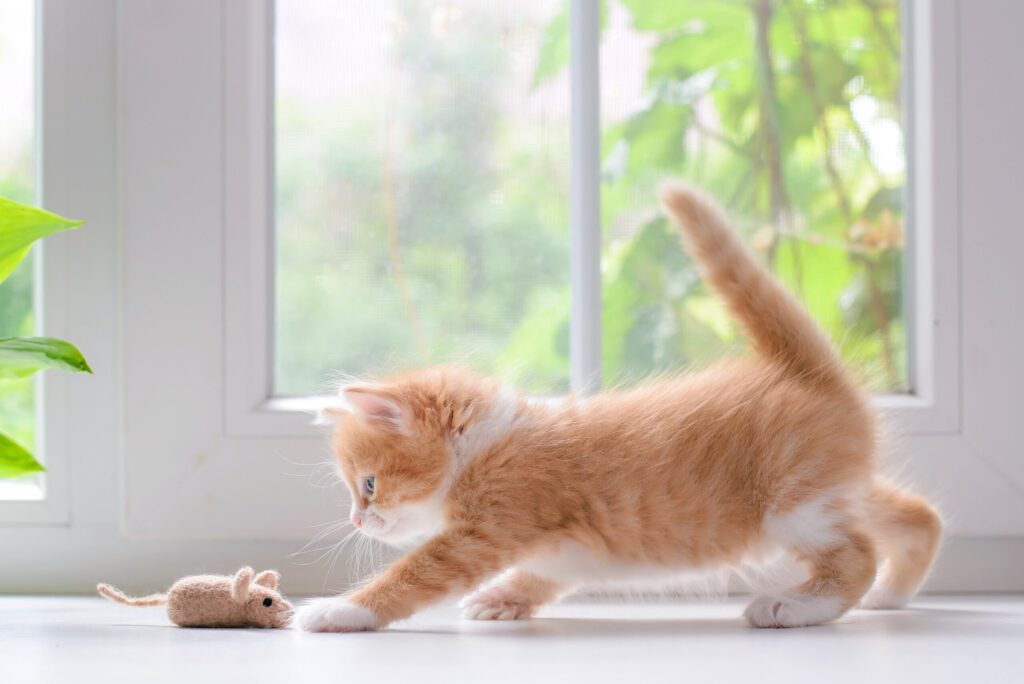
Welcoming a new kitten into an apartment or compact urban home is an exciting journey. While apartments provide cozy, manageable environments for feline companions, small spaces require strategic organization to ensure safety, physical enrichment, and low stress during the adjustment phase. Kittens possess curious instincts, nimble agility, and a drive to explore every elevated ledge, loose cord, and narrow gap.
Whether you are adopting from our selection of adoptable companion kittens or welcoming a rescued adult like Karma, our rescued tortoiseshell companion cat, preparing your apartment before arrival creates a seamless transition for both you and your new pet.
Phase 1: Setting Up the Designated ‘Starter Room’
Placing a newly arrived kitten directly into an open multi-room apartment can trigger sensory overload and anxiety. As noted in House Cat Living’s indoor kitten starter room recommendations, establishing a single dedicated sanctuary room (such as a spare bedroom, quiet office, or large bathroom) allows your kitten to adjust to new scents and sights at a manageable pace.
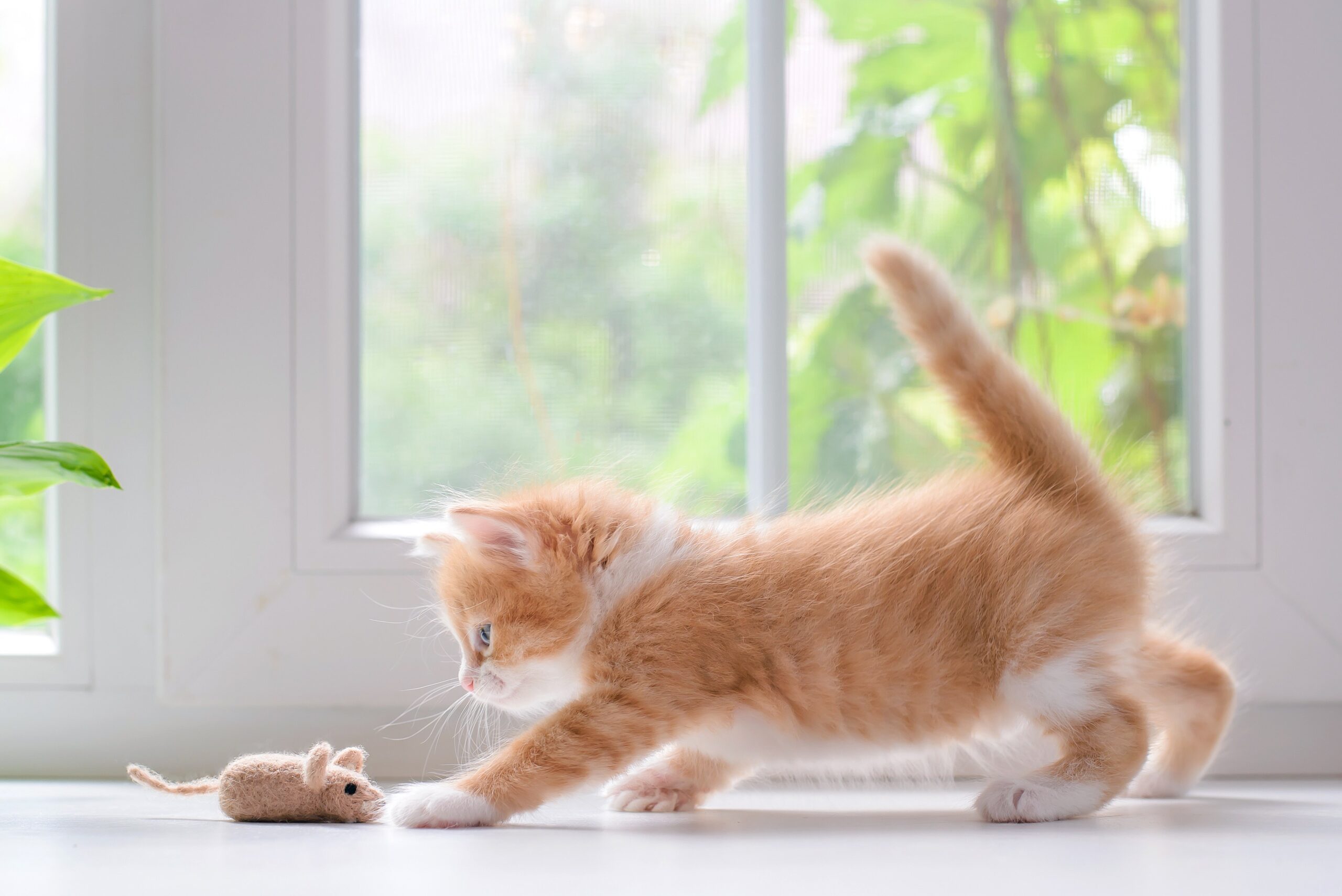
Essential Starter Room Checklist
- Litter Box Placement: Position an open low-entry litter box far away from food and water bowls. Use non-clumping or dust-free litter during early months.
- Feeding Station: Place stainless steel or ceramic food and water bowls in a calm corner. Refresh water daily.
- Vertical & Horizontal Scratchers: Offer sisal scratching posts and cardboard scratch pads to encourage healthy scratching habits early.
- Comfortable Bedding & Hiding Nooks: Include an open cat bed alongside a cozy covered cave or cardboard box where the kitten can rest securely.
Phase 2: Comprehensive Apartment Kitten-Proofing
According to PetMD’s official new kitten checklist, thorough home-proofing prevents common household accidents. In an apartment setting, pay specific attention to hidden hazards:
1. Electrical Cord & Appliance Safety
Bundle loose charging cables, television wires, and lamp cords with protective plastic sleeves or cable conduits. Ensure washer and dryer doors remain firmly shut when not in active use.
2. Window Screens & Balcony Locks
Apartment windows and balcony doors present severe fall hazards. Verify that window screens are locked securely into frames and lack tears or mesh gaps. Never leave balconies accessible to unsupervised kittens.
3. Toxic Plant Removal
Many popular indoor houseplants—including Lilies, Monstera, Pothos, Aloe Vera, and Eucalyptus—are highly toxic to felines. Replace real plants with non-toxic, cat-friendly alternatives like Wheatgrass or Pet Grass.
4. Securing Small Objects
Kittens inspect their world with their mouths. Store away hair ties, rubber bands, sewing needles, dental floss, small plastic wrappers, and medications in closed drawers.
Phase 3: Vertical Space & Territorial Enrichment
Cats view their territory three-dimensionally. In small apartment layouts, maximize vertical wall space to expand your kitten’s territory without reducing living space for humans.
- Cat Trees & Window Perches: Mount secure window perches near sunny views so your kitten can watch outside activity.
- Modular Wall Shelving: Install feline climbing steps or wall bridges to create elevated transit corridors.
- Interactive Wand Toys & Feeder Puzzles: Engage your kitten with interactive teaser wands and food puzzle toys to stimulate hunting instincts and prevent boredom.
Gradual Whole-Apartment Exploration Schedule
| Timeframe | Exploration Step | Key Milestones to Observe |
|---|---|---|
| Days 1–3 | Confined to Starter Room. | Consistently using litter box, eating full meals, seeking affection from family members. |
| Days 4–7 | Supervised hallway & main living room exploration. | Confident tail posture, curious sniffing without low-crawling or frantic hiding. |
| Week 2 Onward | Full apartment access during daytime hours. | Returns reliably to designated litter box and starter room resting zones. |
If you choose a thoroughly socialized kitten—such as our grey shorthair kittens—they will typically adapt to apartment layouts rapidly due to prior underfoot family exposure.
Frequently Asked Questions
Can a kitten thrive happily in a small studio apartment?
Yes! Studio apartments provide excellent, safe environments for kittens as long as you optimize vertical space with cat trees, wall shelves, scratchers, and daily interactive playtime.
Where is the best place to set up a litter box in an apartment?
Choose a quiet, accessible corner with good ventilation—such as a bathroom nook or secluded living room alcove. Keep it away from loud appliances, heavy foot traffic, and feeding areas.
How do I stop my kitten from scratching apartment furniture?
Place sturdy sisal scratching posts directly adjacent to furniture edges. Reward use of scratchers with catnip or treats, and use double-sided pet tape on couch corners during early training.